Here’s some safety guidelines, rules, and regulations to keep you safe when charging your Electric Vehicle.
Follow EV charging safety guidelines in your user manual
Read all information carefully and contact us if anything is unclear. EV charging involves high electrical loads and must be used safely. Misuse can damage cables and create risks.
Before plugging in, inspect the charging cable, plug, and connectors for any signs of damage or wear. Do not use damaged equipment, as it can pose safety risks.
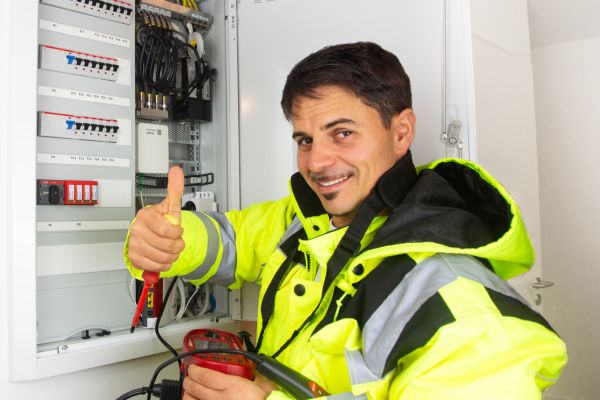
We recommend asking a Registered Electrician with a current certificate to check the wiring of your property before plugging in any EV to charge for the first time.
Age Restrictions for EV/PHEV Charging.
Just like refuelling at a petrol station, EV charging should be subject to age restrictions to help ensure safety, accountability, and appropriate use of the equipment.
Charging stations involve high-voltage electricity and require a basic level of care and understanding, so access should be limited to people old enough to use them responsibly.
Never plug in your charger to a multi-board or extension lead.
Ensure your EV charger is the only device on the outlet and never use an extension lead. This reduces overload risks and enhances safety.
Unwind your charging cable fully before use.
Charging cable can heat up during use. If it stays tightly coiled, that heat can build up instead of escaping properly, which can reduce performance and in some cases create a safety risk. Unwinding it fully helps the cable stay cooler and allows it to operate as intended.
Check the connection before you charge
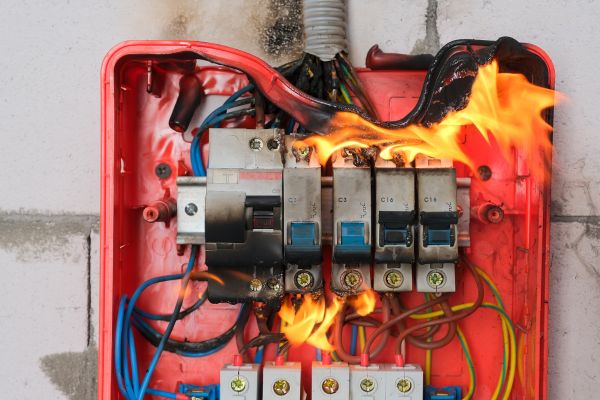
Ensure the plug is fully inserted. Loose connections can overheat or spark, posing fire risks.
Avoid overloading your home’s power
The safest way to avoid overloading your home’s power is to choose a wall charger with DLB technology to automatically adjust charging based on household demand.
WorkSafe Charging Requirements
All EVSE should be purchased from a supplier like EV Power, who has met all the accreditation requirements as set out by WorkSafe.