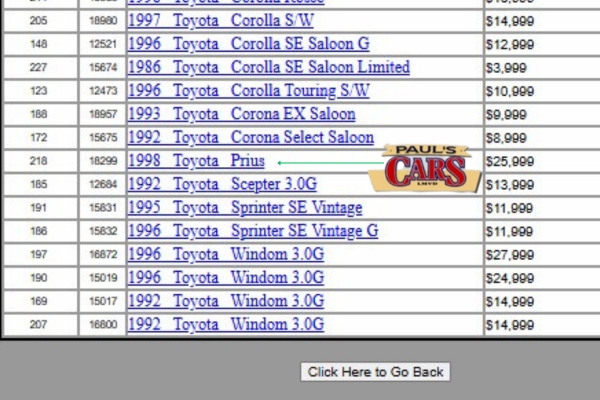
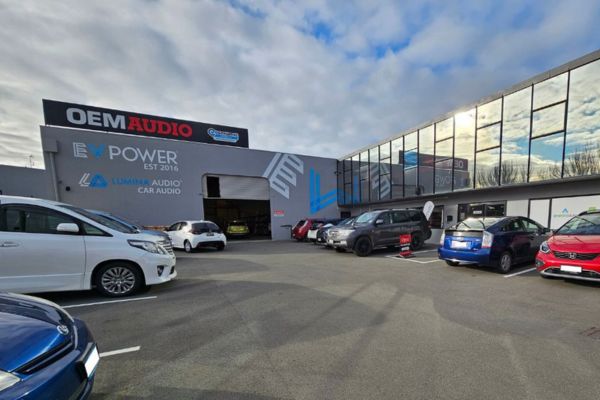
It was pointed out to me recently that it’s been 10 years of EV Power. But before that I was hooked on the idea of where EV technology was heading. I imported the first used Prius cars into New Zealand to sell in Christchurch in 2001.
How EV Power Started
I started bringing in the Nissan Leaf from Japan. I’ve always liked technology, and EVs ticked that box nicely. It was during those early days that someone pointed out to me (looking at you, Hayden) that the charging cables available at that time were not just poor quality, but potentially lethal.
That was the turning point. I was asked if I could develop something safer and compliant. After a lot of discussions with helpful electrical engineers and government departments, I had a plan.
From Basic to Proper Equipment
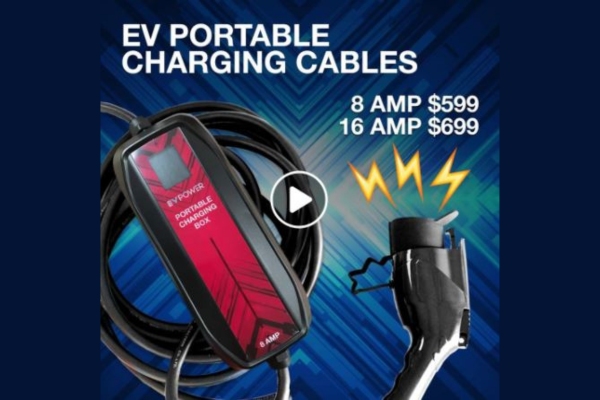
We started with very basic 8 Amp portable chargers and from there, we kept improving:
Added 6mA DC detection.
Introduced LCD screens.
Built-in timer charging and delayed starting.
Added temperature sensors at the pins.
Offered a variety of different charging leads.
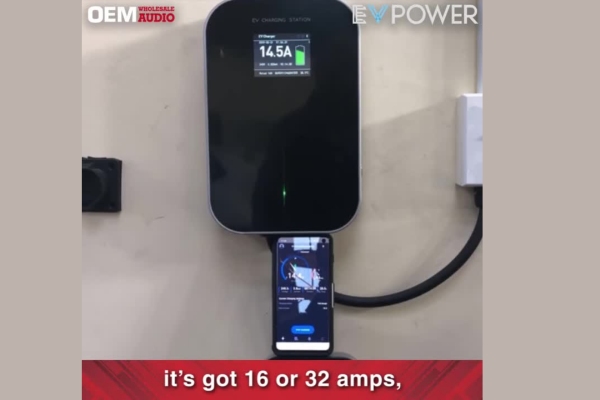
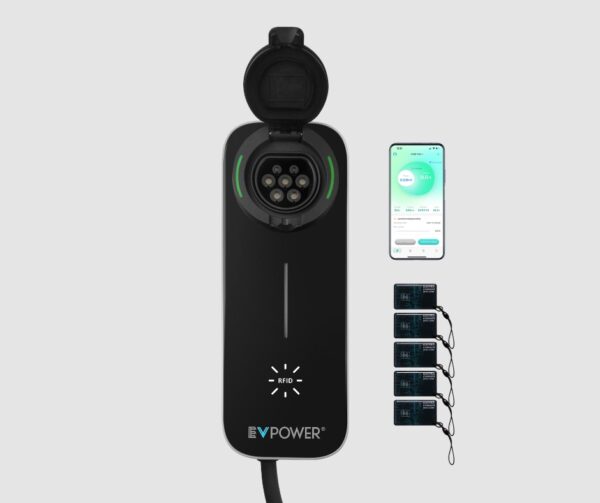
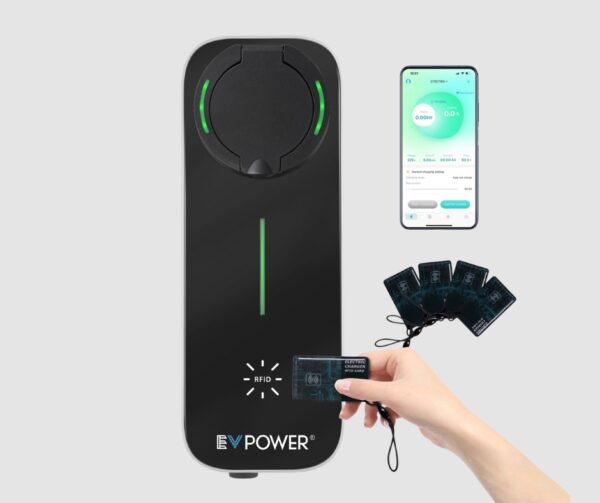
Early wall chargers were basic but reliable and robust. Today, we’re running our wall charger units with:
OCPP capability
RFID access
Solar compatibility
WiFi apps
Usage reporting
It’s come a long way from those early cables. In 2023 I designed our own portable with help from the great team at InFact. I think the Classic Plus 5.0 is the best in the world, and no one has yet proved me wrong.
The Reality of the Market
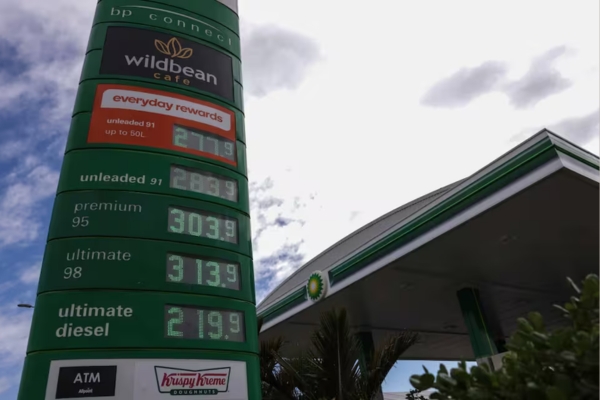
The last couple of years have been challenging. Government policy, particularly under Simeon Brown, changed the landscape for EVs almost overnight. That had a real impact on the market. The recent oil price shocks have woken things up again, with some car dealers selling out of their EV stock last week. Funny how quickly sentiment shifts when fuel prices climb.
Things I’ve Learned Along the Way
Don’t engage with people on Facebook. I think the knowledgeable ones generally don’t comment, and nothing good comes from arguing with the rest.
There are two very different types of customers. On one hand, we’ve had many loyal dealers who understand the product and value proper support. On the other, there are operators selling EVs who don’t understand the technology at all, don’t want to learn, and argue over $5 while dealing with high-power electrical equipment.
First-time EV buyers are great. We genuinely enjoy the enthusiasm. But it’s always amusing when someone walks in 20 minutes after buying their first EV and explains to us how it all works.
Competition and Standards
We’ve seen a lot of competitors come and go. Many are just chasing the latest trend. From day one, my focus has been simple: I want to sell safe and reliable products at a fair price, with proper after-sales support.
What still surprises me is how many people will buy high-amperage electrical equipment online from a company with no physical presence and nothing more than a mobile number.
The People
We’ve been lucky. Good staff over the years, and strong technical support from qualified professionals like Gary and Sam. We’ve also had great support from early EV adopters and industry people such as Hayden, Steve, Ned, Bruce, Dave, Jordan, Mark, Alastair and others who have been involved since the early days. And popular new car distributors continue to trust us to deliver the goods on time.
This week, our phones are running red hot especially with calls from private car buyers buying secondhand EVs needing advice.
Final Thought
I love being able to help make transport cleaner and quieter. With our affordable, quality EV chargers, I hope more people make the switch to EVs and enjoy lower running costs compared to traditional fuel and maintenance.
 10Oct
10Oct